
Heart.work Headless Commerce
Heart.work Headless Commerce allows wholesalers to build a custom frontend while relying on the Heart.work platform as the commerce engine underneath. Instead of using the standard webshop interface, organisations can connect their own website, portal or application directly to the platform through its APIs.
This approach provides full flexibility in how the digital ordering experience is presented, while the underlying product logic, pricing structure and order processing remain managed within the platform.
The result is a separation between presentation and commerce logic. The frontend can evolve independently, while the commerce engine continues to operate on the same ERP-driven foundation.




A commerce engine behind your own frontend
A commerce engine behind your own frontend
In a headless setup, the user interface is developed separately from the commerce platform. A custom frontend retrieves product data, prices and availability from the platform and submits orders through the same connection.
The Heart.work platform continues to manage the core commerce capabilities, including product structures, catalogue visibility and customer agreements. These capabilities are maintained in the backend for B2B ecommerce wholesale, which acts as the central configuration environment.
Because the commerce logic remains within the platform, development teams do not need to recreate complex wholesale functionality in the frontend.
In a headless setup, the user interface is developed separately from the commerce platform. A custom frontend retrieves product data, prices and availability from the platform and submits orders through the same connection.
The Heart.work platform continues to manage the core commerce capabilities, including product structures, catalogue visibility and customer agreements. These capabilities are maintained in the backend for B2B ecommerce wholesale, which acts as the central configuration environment.
Because the commerce logic remains within the platform, development teams do not need to recreate complex wholesale functionality in the frontend.

Integrating ordering into existing digital platforms
Integrating ordering into existing digital platforms
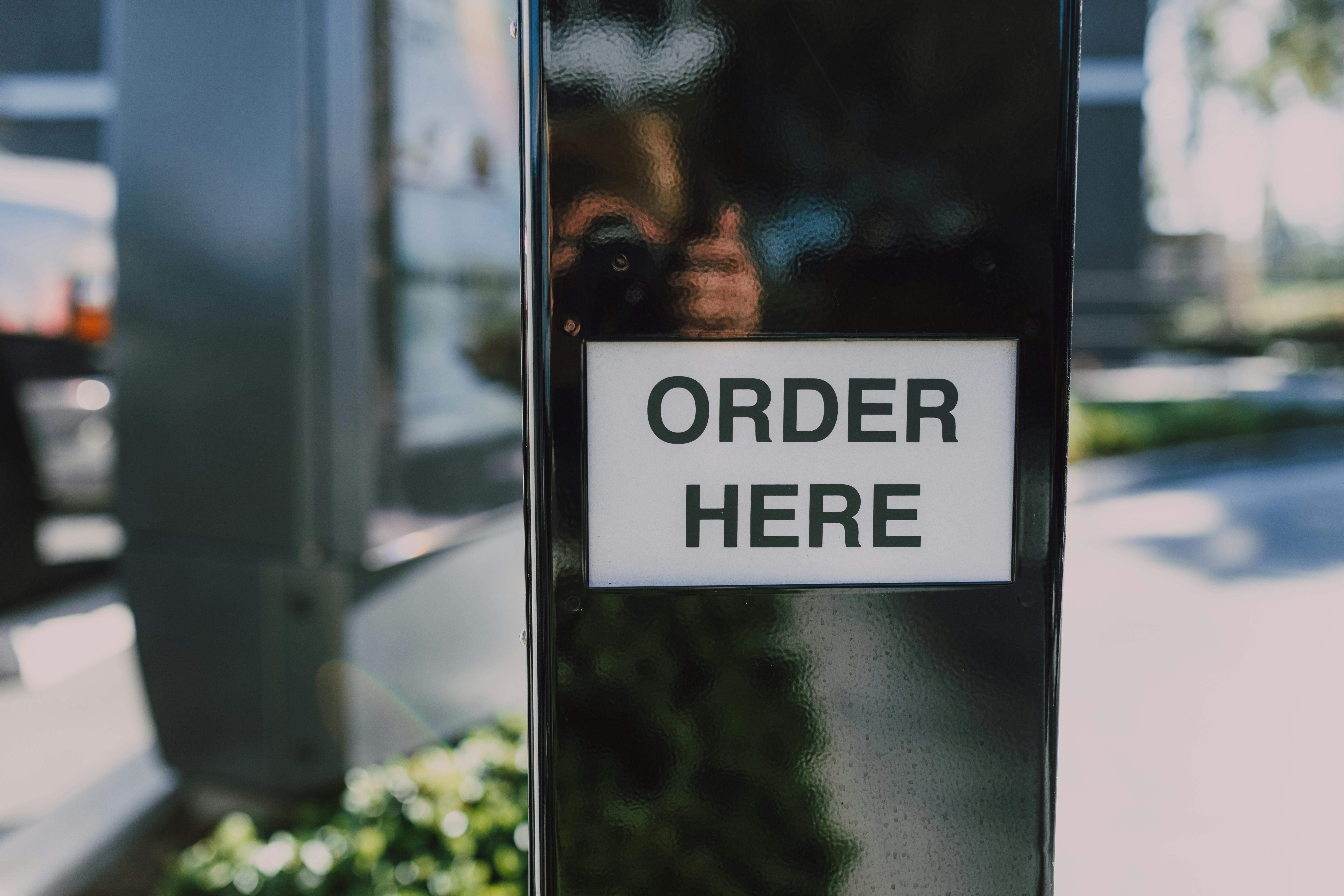
Headless commerce is often used when wholesalers want to integrate ordering into an existing website or digital platform. Instead of operating a separate webshop, ordering functionality can become part of a broader digital environment that includes product information, documentation or customer services.
Customers can move from informational content to ordering without switching between different systems. The ordering process itself still relies on the same commerce logic used by the B2B webshop for wholesalers and the B2B mobile ordering app for wholesalers.
This makes it possible to create a unified digital experience while keeping the operational foundation consistent.
Headless commerce is often used when wholesalers want to integrate ordering into an existing website or digital platform. Instead of operating a separate webshop, ordering functionality can become part of a broader digital environment that includes product information, documentation or customer services.
Customers can move from informational content to ordering without switching between different systems. The ordering process itself still relies on the same commerce logic used by the B2B webshop for wholesalers and the B2B mobile ordering app for wholesalers.
This makes it possible to create a unified digital experience while keeping the operational foundation consistent.
Access through APIs and integration architecture
Access through APIs and integration architecture
Headless implementations interact with the platform through its integration layer. Product data, pricing, availability and order submission are made available through the platform’s APIs.
These APIs are part of the broader integration architecture described in API and integrations. They allow external applications, websites or portals to retrieve commerce data without duplicating product structures or business logic.
Because the same API layer is used across integrations, organisations can connect additional systems or services to the platform when needed.
Headless implementations interact with the platform through its integration layer. Product data, pricing, availability and order submission are made available through the platform’s APIs.
These APIs are part of the broader integration architecture described in API and integrations. They allow external applications, websites or portals to retrieve commerce data without duplicating product structures or business logic.
Because the same API layer is used across integrations, organisations can connect additional systems or services to the platform when needed.


Built on the same ERP-driven foundation
Built on the same ERP-driven foundation
Even when a custom frontend is used, the underlying data model remains the same. Products, customers and pricing originate from the ERP, and orders submitted through the frontend are delivered back into the ERP workflow.
This ensures that digital ordering remains aligned with operational processes. The connection between the commerce platform and the ERP is described in ERP integration and order processing for wholesalers.
By keeping this foundation intact, headless implementations retain the stability and reliability required in wholesale environments.
Even when a custom frontend is used, the underlying data model remains the same. Products, customers and pricing originate from the ERP, and orders submitted through the frontend are delivered back into the ERP workflow.
This ensures that digital ordering remains aligned with operational processes. The connection between the commerce platform and the ERP is described in ERP integration and order processing for wholesalers.
By keeping this foundation intact, headless implementations retain the stability and reliability required in wholesale environments.
Flexible architecture within the commerce platform
Flexible architecture within the commerce platform
Headless commerce is one of several ways organisations can deploy the Heart.work platform. Some wholesalers choose the ready-to-use B2B webshop for wholesalers and B2B mobile ordering app for wholesalers. Others use the platform as a commerce engine behind a custom frontend.
Because the platform supports both approaches, organisations can choose the architecture that best fits their digital strategy while continuing to rely on the same underlying commerce capabilities.
Headless commerce is one of several ways organisations can deploy the Heart.work platform. Some wholesalers choose the ready-to-use B2B webshop for wholesalers and B2B mobile ordering app for wholesalers. Others use the platform as a commerce engine behind a custom frontend.
Because the platform supports both approaches, organisations can choose the architecture that best fits their digital strategy while continuing to rely on the same underlying commerce capabilities.

Ready when you are
Ready when you are
Let us show you the platform — you’re closer to launching than you think.
Let us show you the platform — you’re closer to launching than you think.